
FloridA forward
ADVANCING THE STATE OF FLORIDA
The Latest
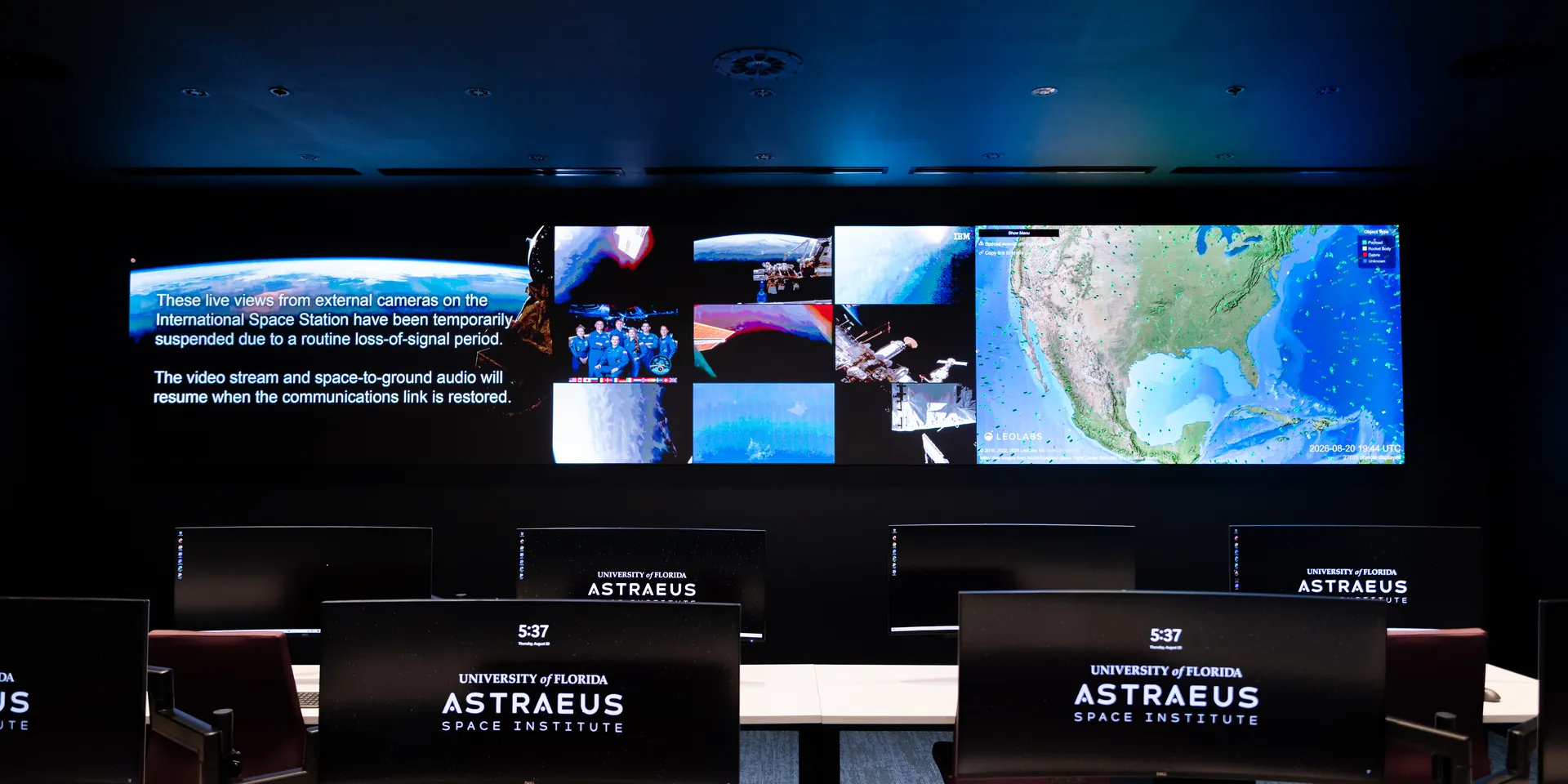
The University of Florida’s Astraeus Space Institute marked a major milestone Thursday, Aug. 20, with a ribbon cutting ceremony celebrating the opening of its new Mission Operations Center at the Computer Science Engineering Building, located on main campus in Gainesville. The new facility provides Astraeus with a dedicated space to advance interdisciplinary research, collaboration and innovation in space exploration.

EPA approves HLB-resistant citrus rootstock based on UF research(opens in a new tab)
Florida company Soilcea is preparing to supply more than 300,000 citrus trees based on University of Florida technology after U.S. Environmental Protection Agency approval of CarriCea T1, a new Huanglongbing (HLB)-resistant rootstock that could help growers combat citrus greening.
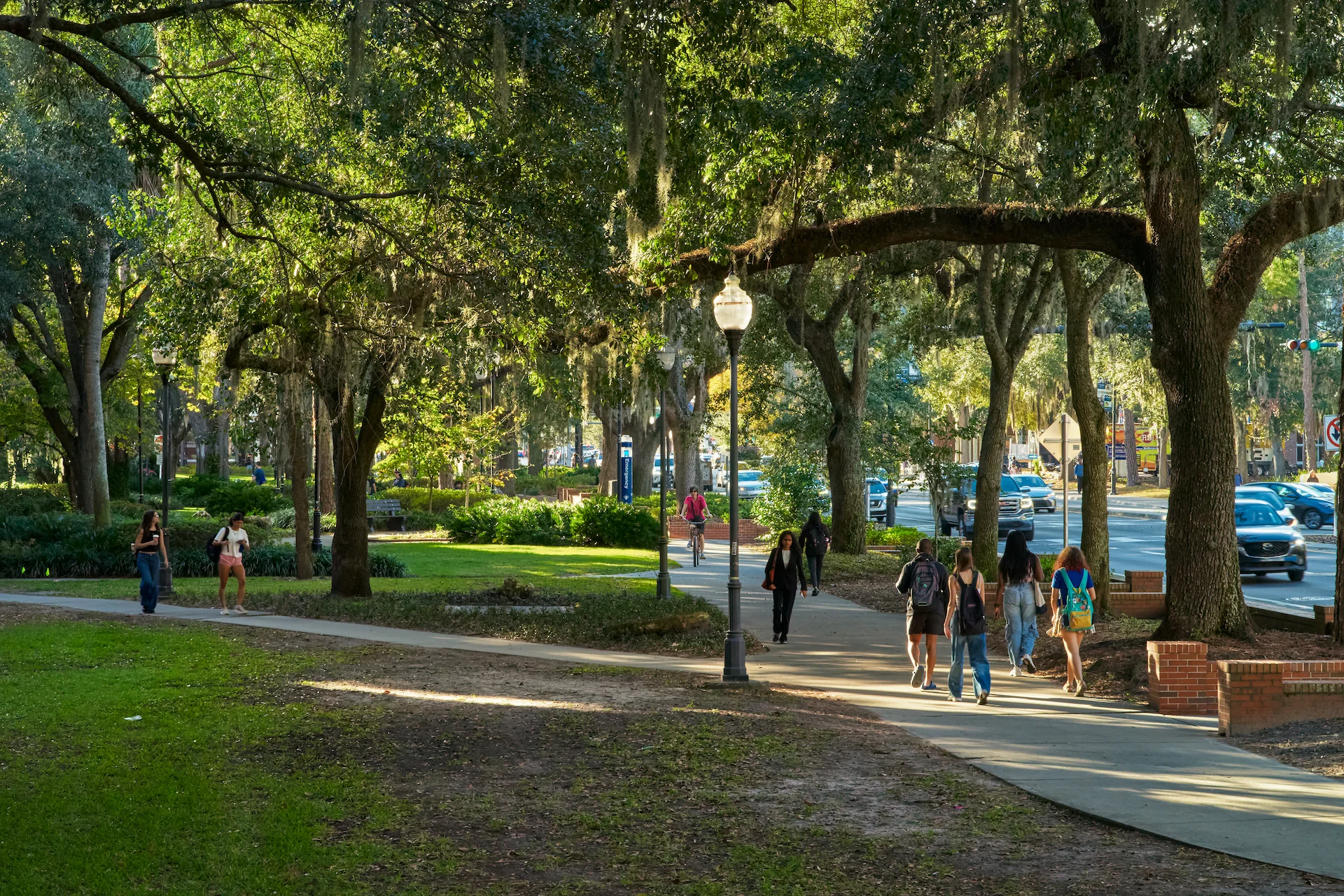
The University of Florida has been ranked No. 4 among public universities in the inaugural TIME magazine “America’s Best Colleges of 2026-2027” ranking, placing UF among the nation’s top institutions for student outcomes, learning environment and attractiveness to students. The new ranking was developed by TIME magazine in partnership with Statista and focuses on the value students receive from their college education, including outcomes after graduation and the overall student experience.

Engineer develops innovative approach to designing safer streets for cyclists(opens in a new tab)
Roadway design is a complex task. Designing a new road or redesigning an existing one requires addressing a complicated mix of design manuals and standards, traffic impacts and input from stakeholders and local government. But there is a key group of stakeholders whose needs are often inadequately considered in road infrastructure, travelers who are more vulnerable to traffic hazards and patterns — cyclists. Xiang Jacob Yan, Ph.D., is trying to change that.

Tiny transmitters could unlock monarch migration mysteries in Florida(opens in a new tab)
Every spring, many monarch butterflies drift back into Florida on orange-and-black wings that have captivated scientists for generations. They arrive quietly, fluttering through fields and roadsides, stopping at nectar plants to feed and to lay eggs on patches of milkweed. Researchers at the University of Florida are preparing to follow the butterflies in a way that was impossible until recently — using tiny solar-powered radio transmitters light enough to ride on the backs of monarch butterflies as they move through North Central Florida.